

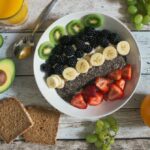




Starting a wellness journey can feel daunting. We think that true vitality comes from knowing what we eat every day. This guide is the complete beginner’s guide to healthy nutrition. It makes complex diet ideas easy to follow.
Think of this as a journey, not a quick fix. Making smart food choices can greatly improve our health. We aim to give you the complete beginner’s guide to healthy nutrition: everything you need to know. This will help you build lasting habits.
As we dive into these basics, remember that small, steady changes are the most effective. Welcome to The Complete Beginner’s Guide to Healthy Nutrition: Everything You Need to Know. Here, we focus on lasting health, not just trends.

Key Takeaways
- Nutrition is a continuous journey, not a short-term solution.
- Informed food choices are essential for long-term vitality.
- Small, consistent dietary adjustments create lasting health benefits.
- Focusing on sustainable habits improves overall physical well-being.
- Understanding basic fuel requirements empowers better daily decisions.
Understanding the Fundamentals of Nutrition
We think it’s key to learn nutrition basics for lasting health. Many feel lost with all the different advice out there. But we aim to make it simple by focusing on the core principles.
This way, we can move past strict diets to a more lasting way of eating.
Read More: 10 Simple Nutrition Tips That Help You
Defining Healthy Eating
Healthy eating isn’t about cutting out food or following strict rules. It’s about picking foods that give your body the energy it needs. We see healthy eating basics as the start of a lively life.
Choosing whole foods means you eat less of processed foods that don’t give much nutrition. Adding healthy eating tips to your daily life helps create lasting habits. It’s about finding balance, not perfection in every meal.
The Connection Between Food and Longevity
What we eat is key to starting healthy eating habits that affect our future. Eating well regularly lowers the risk of serious diseases like heart disease and diabetes. By choosing foods rich in nutrients, we help our bodies age well.
Studies show that eating more plants, lean proteins, and healthy fats improves health over time. These foods do more than just give us energy; they protect our cells and boost our immune system. Investing in your nutrition today is truly an investment in your future self.
The Complete Beginner’s Guide to Healthy Nutrition: Everything You Need to Know
Starting a journey to better health means knowing where you are now. We need to know our current habits and where we can get better. This way, our future choices are based on our own data, not just general tips.
Assessing Your Current Dietary Habits
First, track what you eat for a week. Use a journal or app to log every food and drink. This helps spot patterns you might miss.
After a week, compare your eating to nutritional guidelines. Look for gaps, like not enough fiber or too much sugar. Knowing these areas helps us plan better.
Read More: How Much Protein To Eat After Workout Female
Setting Realistic Nutritional Goals
Next, set goals that are doable and measurable. Use the SMART method to make sure your dietary recommendations fit your life. Remember, it’s about being consistent, not perfect.
Make your goals specific but flexible. For example, aim to add leafy greens to dinner four times a week. This builds confidence and lasting habits.
| Goal Type | Vague Approach | SMART Approach |
| Hydration | Drink more water | Drink 8oz of water before every meal |
| Vegetable Intake | Eat more veggies | Include two colors of vegetables at lunch |
| Snacking | Stop eating junk | Replace afternoon chips with raw almonds |
| Consistency | Be healthier | Track meals for 5 days per week |
Mastering Macronutrients for Energy and Health
Our bodies need three main macronutrients to work well every day. These are carbohydrates, proteins, and fats. They give us energy and help build our bodies. Getting the right mix is key, and beginner nutrition advice can guide you.
The Role of Complex Carbohydrates
Carbohydrates are often misunderstood, but they’re our main energy source. We should eat complex carbohydrates because they give energy slowly. Good choices include whole grains, legumes, and starchy veggies.
These foods keep your energy steady, unlike simple sugars that cause ups and downs. Eating fiber-rich foods helps your digestion and keeps you full. This is a key part of a good beginner’s nutrition guide.
Prioritizing High-Quality Proteins
Protein is crucial for fixing muscles and keeping your immune system strong. Choose lean protein sources to get the nutrients you need without too much fat. Good options are chicken breast, fish, tofu, and beans.
Adding protein to every meal helps keep your muscles strong and keeps you full. Quality is important when it comes to protein. Eat whole, unprocessed foods for the best benefits.
Read More: Pre Workout Meal For Muscle Gain Vegetarian
Choosing Healthy Fats Over Trans Fats
Fats are important for your brain and hormones, but not all fats are good. We should focus on unsaturated fats in avocados, nuts, seeds, and olive oil. These fats are good for your heart and help you absorb vitamins.
On the other hand, we should avoid trans fats found in processed snacks and fried foods. These fats can harm your heart and increase inflammation. Switching to healthier fats is a simple way to boost your health.
The Role of Micronutrients in Your Daily Diet
Macronutrients give us energy, but micronutrients are the spark plugs for our body’s systems. Vitamins and minerals help our bodies work right. Without them, we can’t turn food into energy or fix damaged tissues.
We focus on these nutrients to keep our immune system strong and our body’s structures intact. Eating nutrient-rich foods gives our body the tools it needs for health and energy.
Essential Vitamins for Immune Support
Our immune system is like a complex defense network. It needs specific vitamins to work well. Vitamin C boosts the production of white blood cells, helping fight off infections.
Vitamin A keeps our skin and mucous membranes healthy, acting as a barrier against germs. Vitamin D helps regulate our immune response, keeping us balanced all year. To support these functions, we should eat foods rich in these vitamins.
- Citrus fruits and bell peppers are full of Vitamin C.
- Leafy greens like spinach and kale are packed with Vitamin A.
- Fatty fish or fortified plant-based milks are good sources of Vitamin D.
The Importance of Minerals for Bone and Blood Health
Minerals are essential for our bones and blood. Calcium is key for strong bones, preventing fractures. We need enough calcium every day to avoid osteoporosis.
Iron is crucial for carrying oxygen in our blood. Without enough iron, we feel tired and weak. Eating foods like legumes, seeds, and lean meats helps keep our blood and bones healthy.
How to Get Enough Nutrients Through Whole Foods
We think the best way to get these nutrients is through a colorful, diverse diet. Whole foods have vitamins and minerals that work better together. This way, we also get fiber and antioxidants.
To get the most nutrients, eat a variety of foods every day. Nature provides everything we need when we choose whole foods. By eating nutrient-rich foods, we build a strong foundation for health that lasts.
Step-by-Step Guide to Building a Balanced Plate
Creating a balanced diet plan starts with how we arrange food on our plates. We often make nutrition too hard, but a simple visual guide can make meals satisfying and complete. By following these three steps, we can ensure our bodies get the right mix of nutrients without needing a calculator.
Step One: Prioritizing Vegetables and Fruits
The base of a healthy meal should be colorful produce. We suggest filling half of your plate with various vegetables and fruits. This approach gives you lots of fiber and vitamins while keeping calories low.
Try to have different colors on your plate for more antioxidants. Choose from leafy greens, roasted carrots, or fresh berries. These foods are packed with essential phytonutrients for long-term health.
Step Two: Selecting Lean Protein Sources
After setting up your veggies, use one-quarter of your plate for high-quality protein. Lean sources like chicken breast, fish, tofu, or legumes are great for muscle health and feeling full. Prioritizing lean protein helps you avoid snacking between meals.
Instead of: Read More: What to Eat 30 Minutes Before Workout
Experiment with plant-based proteins to add variety. Consistency is important, so pick what you enjoy. This makes sticking to your balanced diet plan easier over time.
Step Three: Incorporating Whole Grains and Fiber
The last quarter of your plate should be complex carbs, like whole grains. Foods like quinoa, brown rice, or oats give you energy and fiber for better digestion. Choosing whole grains over refined ones boosts your nutrition.
By following this structured method, you make healthy eating easy. It turns mealtime into a routine that supports your balanced diet plan goals.
How to Read Food Labels Like a Pro
We often stare at colorful packaging, but the real story of our food is on the back. Marketing claims like “natural” or “low fat” aim to catch our eye, not inform our health. To truly understand what we’re eating, we must look past the branding and analyze the Nutrition Facts panel.

Understanding Serving Sizes
The first thing to check on any label is the serving size. Manufacturers often list a serving size that’s smaller than what we typically eat. This makes a product appear lower in calories or sugar than it actually is.
Always compare the serving size to how much you plan to eat. If you eat double the serving size, you must double all the nutritional values listed below it. Being mindful of these numbers helps prevent accidental overconsumption of calories and sodium.
Identifying Added Sugars and Hidden Ingredients
Many processed foods contain significant amounts of added sugars that aren’t obvious. Look for terms like high-fructose corn syrup, cane juice, or maltodextrin on the label. These are all forms of sugar that add to your daily intake without providing essential nutrients.
We recommend scanning the list for these hidden additives to protect your long-term health goals. If a product contains multiple types of sweeteners, it’s likely highly processed. Choosing items with fewer, recognizable ingredients is a simple strategy for better nutrition.
Decoding the Ingredient List
Ingredients are listed in descending order by weight. The first few items make up the bulk of the product. If the first three ingredients include refined grains or sugars, the item is likely not a nutrient-dense choice. Look for whole foods, such as whole grains, vegetables, or lean proteins, at the top of the list.
The following table helps you distinguish between common label traps and healthier alternatives to look for during your next shopping trip.
| Label Feature | What to Avoid | What to Choose |
| Sugar Sources | High-fructose corn syrup | Whole fruit or stevia |
| Grain Quality | Enriched wheat flour | 100% whole grain |
| Fat Content | Partially hydrogenated oils | Healthy fats like olive oil |
| Additives | Artificial colors and dyes | Natural spices and herbs |
Strategies for Effective Healthy Meal Planning
When life gets busy, planning your meals helps avoid bad food choices. We think healthy meal planning is key to eating well, no matter your schedule. Spending a little time each week to plan your meals means healthy food is always ready.
Creating a Weekly Grocery List
A good grocery list keeps you away from unhealthy foods. Check your pantry before shopping to avoid duplicates. This habit helps you focus on fresh foods and cuts down on waste.
Read More: Gym Routine For Weight Loss
Organize your list by store sections, like produce and proteins. This makes shopping easier and keeps you on track with your diet. Sticking to your list helps avoid impulse buys that don’t fit your health goals.
Batch Cooking and Prep Techniques
Batch cooking saves time by making lots of food at once. Roasting veggies or cooking quinoa in bulk is great for many meals. This way, you can quickly make a healthy meal.
Set aside a few hours on Sunday to prep your ingredients. Pre-portioning snacks like nuts or berries helps avoid overeating. These steps ensure healthy options are always available, even when you’re busy.
Storing Foods to Maintain Nutritional Value
Storing food right keeps it fresh and full of nutrients. Use airtight containers for prepped veggies and proteins. This keeps food fresh and stops it from going bad too soon.
Keep your fridge tidy so older items are used first. Knowing how long food lasts helps you eat the best stuff first. Learning these storage tips helps keep your meals healthy and supports your wellness.
Hydration and Its Impact on Wellness
Proper hydration is often overlooked in wellness nutrition tips. Yet, the fluids we drink are crucial for our body’s daily functions.
Water helps digest food and absorb nutrients. It boosts our brain power, making us more focused and clear-headed. It also helps our body perform better by keeping it cool and lubricating our joints.
Determining Your Daily Water Needs
Finding the right amount of water is not one-size-fits-all. It depends on how active you are, where you live, and your body type.
Check your thirst and urine color to see if you’re drinking enough. If you’re active or live in a hot place, you’ll need more water. Listening to your body is the best way to stay hydrated.
Healthy Alternatives to Sugary Beverages
Many turn to sugary drinks for hydration, but they’re not good for you. Switching to healthier options can greatly benefit your health.
Try adding cucumber, lemon, or mint to your water for a tasty change. It makes water refreshing without the sugar.
| Beverage Type | Hydration Quality | Sugar Content | Best Use |
| Plain Water | Excellent | None | Daily consumption |
| Herbal Tea | High | None | Warm or cold |
| Infused Water | High | Negligible | Flavor variety |
| Sugary Soda | Low | Very High | Avoid |
Navigating Common Dietary Challenges and Pitfalls
We all face moments where our willpower is tested. This can happen due to stress, social pressure, or busy schedules. By understanding these challenges, we can use our psychological tools to stay on track.

Managing Cravings and Emotional Eating
Cravings are natural and often triggered by stress or fatigue. When you feel the urge to eat comfort food, pause and reflect on your emotions. Ask if you’re truly hungry or just looking for a distraction.
Simple nutrition tips for beginners can help manage cravings. Keep healthy, high-protein snacks around to curb hunger without processed sugars. Drinking water before giving in to cravings can help you make better choices.
Eating Out While Maintaining Nutritional Standards
Eating at restaurants doesn’t have to ruin your diet. Many menus have healthier options if you know where to look. Look for grilled, steamed, or roasted dishes instead of fried ones.
Don’t be afraid to ask for sauces or dressings on the side. This lets you control the amount of hidden fats and sugars. Learning these skills is key for nutrition for beginners who want to enjoy dining out without feeling left out.
Handling Social Situations and Holiday Meals
Social gatherings and holidays often revolve around food, which can be challenging. Focus on the joy of connection rather than the food. Enjoy your favorite holiday treats in moderation by eating more protein and vegetables first.
Remember, one meal won’t undo all your hard work. It’s consistency over time that matters, not perfection at one event. By using these nutrition tips for beginners, you can handle any social calendar with confidence. Embracing flexibility is the ultimate key to success in nutrition for beginners.
Incorporating Mindful Eating Habits
Many of us eat without thinking, but mindful eating can change our health. It’s about paying attention to how food tastes and how our body feels. By eating slower, we can stop eating too much and improve digestion.
Practicing Portion Control
Controlling portions doesn’t mean giving up on favorite foods. It’s about eating the right amount at one time. Using smaller plates helps you eat less without feeling limited.
- Use smaller dinnerware to create a visual sense of a full plate.
- Measure snacks into bowls rather than eating directly from the bag.
- Focus on filling half your plate with colorful vegetables to increase volume naturally.
These simple healthy eating tips let you enjoy meals while keeping your calorie intake balanced.
Listening to Hunger and Fullness Cues
Our bodies naturally tell us when to eat and stop. Learning to listen to these signals is key to a healthy food relationship. Before snacking, check if you’re really hungry or just bored or stressed.
Eat slowly to let your brain know when you’re full. Paying attention to these signals helps you avoid eating too much. These healthy eating tips help you listen to your body’s needs every day.
Removing Distractions During Meals
Eating while doing other things can lead to eating without satisfaction. Watching TV or scrolling through phones takes away from enjoying your food. Eating without distractions lets you fully appreciate your meal.
Having a special place for eating can greatly improve digestion and enjoyment. When eating, try to keep your space calm and free from screens. These healthy eating tips promote a mindful way of eating that benefits both body and mind.
Sustainable Lifestyle Changes for Long-Term Success
Starting a healthy lifestyle for beginners is a long journey. The beginner’s guide to eating well shows that true wellness is not about quick fixes. It’s about building a strong foundation for your body’s health for years.
Avoiding the Trap of Fad Diets
Fad diets promise fast results by cutting out food groups or reducing calories too much. But these methods are not sustainable. Most people find they lead to burnout and weight gain.
Don’t fall for the latest diet trends. True health comes from balanced nutrition that you can enjoy every day. Choose whole foods over processed ones to fuel your body well.
Building Consistency Over Perfection
Many think they must be perfect to see results. Missing a workout or eating a treat feels like failure. But consistency is more important than perfection in the long run.
Make small, easy changes that fit your life. Eating one more serving of veggies a day is better than changing your diet all at once. These small steps lead to big health improvements over time.
Tracking Progress Beyond the Scale
The scale only shows part of the story. Look for non-scale victories that show how you feel inside. These signs are often better indicators of success in your beginner’s guide to eating well.
- Increased energy levels throughout the day.
- Better sleep quality and waking up feeling refreshed.
- Improved mood and mental clarity.
- Greater endurance during physical activities.
| Feature | Fad Diet Approach | Sustainable Lifestyle |
| Duration | Short-term | Lifelong |
| Flexibility | Very Low | High |
| Primary Goal | Rapid Weight Loss | Overall Wellness |
| Success Metric | The Scale | Energy and Mood |
Conclusion
Getting to optimal wellness is all about small, steady steps. It’s not about making big changes all at once. Eating whole foods and balanced meals helps your body in the long run.
Think of your diet as a journey of discovery that never ends. Places like Whole Foods Market or local farmers markets are great for finding quality ingredients. Every meal is a chance to feed your body well and boost your energy.
Try making one small change this week. It could be drinking more water or eating more veggies. These small habits add up over time. You have the power to improve your health through your food choices.
Be kind to yourself as you make these changes. True health isn’t about being perfect or following strict rules. It’s about finding a healthy rhythm that works for you. We’re excited to see you succeed in your journey towards better health.
FAQ
What is the first step in following the complete beginner’s guide to healthy nutrition?
Start by checking how you eat now. Find out what you usually eat and what you’re missing. This helps us make good changes to your diet.Knowing your current habits lets us set achievable goals. This way, you can start a healthy lifestyle that lasts.
How do we incorporate more nutrient-rich foods into a daily balanced diet plan?
Eat more whole foods and avoid processed ones. Use the “plate method” to guide your meals. Fill half your plate with veggies and fruits, a quarter with lean proteins, and the last quarter with whole grains.This method ensures you get all the nutrients you need at every meal.
Are there specific healthy eating tips for staying consistent during a busy work week?
Yes, planning meals and cooking in bulk is key. Make foods like quinoa, roasted chicken, or greens ahead of time. This way, you won’t grab unhealthy snacks.Preparation is a big part of our diet advice for staying healthy over time.
What should we look for in an introduction to healthy diet when reading food labels?
Ignore the flashy front of the box. Look at the “Nutrition Facts” panel and ingredient list instead. These will show you added sugars and bad fats.Choose products with simple, whole-food ingredients. This follows our beginner’s guide to healthy eating.
Why is hydration such a prominent part of nutrition for beginners?
Drinking enough water is crucial for your body and mind. Swap sugary drinks for water or tea. This boosts your digestion and energy.These tips help you avoid empty calories and stick to a healthy diet.
What is the best beginner nutrition advice for navigating social gatherings?
Practice mindful eating and control your portions. Listen to your body’s hunger and fullness signals. This way, you can enjoy social events without ruining your diet.Have a small, protein-rich snack before going out. This helps you make better choices at the buffet.
How can we ensure we are getting enough vitamins and minerals without supplements?
Eat a variety of colorful foods. Different colors provide different nutrients. For example, orange carrots give Vitamin A, and dark greens give calcium.This way, you can get most of your nutrients from food alone. It’s a key part of our healthy diet introduction.