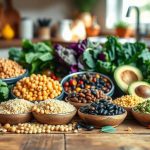
High Protein Foods Vegetarian Knowing your daily protein needs and adding the right vegetarian muscle building foods to your diet can help you succeed.
Vegetarian high-protein foods to build muscle & lose weight
Can a plant-based diet really help you build muscle and lose weight? Many vegetarians find it hard to get enough protein for their fitness goals.
- Advertisement -
We will look at the best plant-based protein sources for muscle building and weight loss. A well-thought-out high protein vegetarian diet is key to reaching your fitness goals.
Knowing your daily protein needs and adding the right vegetarian muscle building foods to your diet can help you succeed.
Read More: Fat Burning Foods For Belly Fat

More Read
Key Takeaways
Daily protein needs for muscle gain and fat loss explained.
Delving into High-Protein Vegetarian Foods for a Balanced Diet
Designing a diet plan to support fitness goals
Identifying plant-based sources of proteins for building muscles
Ensuring Weight Loss by Following a Well-Planned Vegetarian Diet
The Protein Dilemma of Vegetarians
Vegetarians need to plan their protein intake carefully. This is especially true for those who want to build muscle or lose weight. Protein is key for muscle repair and growth, essential for fitness.
- Advertisement -
Why Protein is Important for Muscle-Build-Up and Weight Loss
Protein is vital for muscle growth. It helps repair and build muscles. For weight loss, it keeps muscle mass while losing fat. This ensures fat loss, not muscle.
A high-protein diet also keeps you full longer. This helps with weight management.
Common Protein Myths for Vegetarians
Many think vegetarians need lots of protein from one source. But, mixing different plant-based proteins gives you all the amino acids you need. This myth says plant proteins are worse than animal ones. But, many plant proteins are high in quality, fiber, and antioxidants.
Benefits of Plant-Based Sources of Protein
Plant-based proteins are good for you. They have less saturated fat, more fiber, and lots of vitamins and minerals. Legumes, beans, and lentils are not just protein-rich but also full of nutrients.
Consuming a variety of these will enhance your health and help you reach your fitness goals.
Protein Source
Protein Content per Serving
Additional Benefits
Legumes: lentils, chickpeas
15-18g per 1 cup cooked
High in fiber, rich in minerals
Tofu
20g per 3 oz serving
Versatile, high in iron
Nuts and Seeds
5-8g per 1 oz serving
Rich in healthy fats, antioxidants
Understanding Protein Requirements
Knowing how much protein you need is crucial for building muscle and losing weight. As a vegetarian, it’s important to figure out your daily protein needs. This helps you reach your fitness goals.
Calculating Your Daily Protein Needs
To find out your daily protein needs, think about your activity level, age, and fitness goals. Sedentary people need about 0.8 grams of protein per kilogram of body weight. But, if you’re active or want to build muscle, you’ll need 1.2-1.6 grams per kilogram.
Timing of Protein for Maximum Muscle Growth
When you eat protein matters a lot for muscle growth and recovery. Eating protein within an hour after working out helps your muscles recover and grow. Also, eating protein throughout the day keeps your body in a positive nitrogen balance.
Complete vs. Incomplete Proteins
Vegetarian proteins can be complete or incomplete. Complete proteins have all nine essential amino acids.
Incomplete proteins lack one or more. Dairy products and eggs are complete proteins. Legumes and grains are often incomplete.
Protein Quality and Digestibility
Protein quality and how well your body can digest it are key. High-quality proteins are absorbed easily. Low-quality proteins are harder to digest. Here’s a table showing the protein quality of different vegetarian foods:
Food
Protein Content (%)
Protein Quality
Eggs
12.6
High
Greek Yogurt
10.0
High
Lentils
9.0
Medium
Quinoa
4.4
High
Broccoli
2.8
Low
By understanding your protein needs and choosing high-quality sources, you can follow a protein-rich vegetarian diet. This diet supports your fitness goals.
Read More: How To Increase Metabolism

Best High Protein Foods Vegetarian for Muscle Gain & Weight Loss
Building muscle and losing weight as a vegetarian requires high protein foods. A well-planned vegetarian diet with various protein-rich foods supports muscle growth and weight loss.
Legumes and Beans
Legumes and beans are top protein sources in a vegetarian diet. They also offer fiber, vitamins, and minerals, making them nutritious for meals.
Lentils
Lentils are packed with protein and fiber. One cup of cooked lentils has about 18g of protein. They’re versatile and can be used in soups, stews, and curries.
Chickpeas
Chickpeas are a protein-rich legume for many dishes. One cup of cooked chickpeas has about 15g of protein. They’re perfect in salads, stews, and as a snack.
Black Beans
Black beans are a key part of many vegetarian diets because of their protein. One cup of cooked black beans has about 15g of protein. They’re great in rice bowls, salads, and tacos.
Dairy and Eggs
For vegetarians who eat dairy and eggs, these are excellent protein sources. They can be added to meals in many ways to increase protein.
Greek Yoghurt
Greek yogurt is high in protein and can be used in smoothies or as a snack. One cup of Greek yogurt has about 20g of protein.
Cottage Cheese
Cottage cheese is rich in protein. One cup of cottage cheese has about 28g of protein. It can be eaten on its own or in recipes.
Eggs and Egg Whites
Eggs are a complete protein source, containing all nine essential amino acids. Egg whites are especially high in protein and low in calories.
Plant-Based Protein Powerhouses
There are several plant-based foods that are exceptionally high in protein. They’re great for vegetarians looking to boost their protein intake.
Tofu and Tempeh
Tofu and tempeh are made from soybeans and are excellent protein sources. They can be used in various dishes, from stir-fries to salads.
Seitan
Seitan is made from wheat gluten and is a high-protein meat substitute. It can be used in place of meat in many recipes.
Edamame
Edamame are boiled soybeans that are high in protein and fiber. One cup of cooked edamame has about 17g of protein. They’re a great snack or addition to meals.
Read More: Exercise To Reduce Belly Fat
Added Protein with Nuts, Seeds, and Grains
Nuts, seeds, and grains are often overlooked as protein sources. They can significantly contribute to a vegetarian’s daily protein intake. Adding these foods to your diet can make your meals more varied and ensure you get enough protein for your fitness goals.
Protein-Rich Nuts
Nuts are not only tasty but also a great source of protein. Here are some of the most protein-rich nuts:
Almonds
Almonds are a favorite among health-conscious people. One ounce of almonds (about 23 nuts) has about 6 grams of protein. They’re also full of healthy fats and fiber, making them a nutritious choice for any meal.
Peanuts
Peanuts are another nut high in protein. A 1-ounce serving (about 28 peanuts) has around 7 grams of protein.
They’re also a good source of healthy fats and antioxidants.
High-Protein Seeds
Seeds are tiny nutritional powerhouses. Here are some seeds that are particularly high in protein:
Chia Seeds
Chia seeds are a complete protein source, meaning they contain all nine essential amino acids. One ounce of chia seeds provides about 5 grams of protein.
Hemp Seeds
Hemp seeds are another complete protein source. They offer around 10 grams of protein per ounce, making them one of the most protein-dense seeds available.
Pumpkin Seeds
Pumpkin seeds are not only delicious but also packed with protein. A 1-ounce serving contains about 7 grams of protein. They’re also rich in magnesium and zinc.
Protein-Rich Grains
While grains are often thought of as primarily carbohydrate sources, some grains are surprisingly high in protein:
Quinoa
Quinoa is a complete protein, containing all nine essential amino acids. One cup of cooked quinoa provides about 8 grams of protein.
Oats
Oats are a good source of protein, with one cup of cooked oats offering around 6 grams of protein.
Amaranth
Amaranth is another grain that’s high in protein. One cup of cooked amaranth contains about 9 grams of protein.
By incorporating these nuts, seeds, and grains into your diet, you can boost your protein intake. This supports your overall health and fitness goals.
Creating High-Protein Vegetarian Meals
Making high-protein vegetarian meals is easier than you might think. There are many options for every meal. By using different plant-based proteins, vegetarians can meet their protein needs and support their fitness goals.
Protein-Packed Breakfast Recipes
Starting your day with a protein-rich breakfast is key for muscle growth and weight control. Good choices include tofu scrambles with spinach and whole-grain toast, Greek yogurt with nuts and berries, or a smoothie bowl with protein powder, banana, and almond milk.
Muscle-Building Lunch and Dinner Ideas
For lunch and dinner, add legumes, beans, and lentils to your meals. Try lentil soup with quinoa, chickpea salads with avocado, or black bean tacos with brown rice. These meals are high in protein and fiber, and packed with nutrients.
Optimized Post-Workout Meals
After working out, eat a meal that has protein and carbs for recovery. Good options are a protein shake with banana, oatmeal with almond butter and protein powder, or a whole-grain wrap with hummus and veggies.
Quick Snacks of Protein for Weight Management
For quick snacks, try energy balls with nuts and protein powder, Greek yogurt with honey and almonds, or apple slices with almond butter. These snacks are high in protein and help control hunger.
Protein Combining for Complete Nutrition
To get all essential amino acids, mix different protein sources throughout the day. Pair whole grains with legumes or nuts with seeds for a complete protein profile. This is crucial for a balanced and effective vegetarian diet.
By using these strategies and meal ideas, vegetarians can easily make a high-protein diet. This diet supports muscle gain and weight loss, helping to reach fitness goals.
Meal Planning and Preparation Tips
For vegetarians looking to increase their protein, meal planning is key. Preparing meals ahead ensures enough protein for muscle gain and weight loss.
Meal Prep for the Week-Long Consistency of Protein Intake
Set aside a day each week for meal prep. Cook big batches of vegetarian protein sources like lentils, chickpeas, and tofu. These can be used in many dishes all week.
Some vegetarian protein meal prep ideas include making a large quinoa and black bean salad. Or roasting a big tray of protein-rich veggies like broccoli and Brussels sprouts.
Budget-Friendly High-Protein Shopping
High-protein foods don’t have to cost a lot. Save money by buying in bulk. Choose affordable top protein sources for vegetarians like beans, lentils, and eggs.
Storage Tips for Protein-Rich Foods
Keeping protein-rich foods fresh is important. Store beans, lentils, and grains in airtight containers.
Balancing Macronutrients for Optimum Results
It’s crucial to balance macronutrients for fitness goals. Include protein, healthy fats, and complex carbs in meals.
For vegetarian protein sources for athletes, balancing macronutrients is key. It supports muscle recovery and growth.
Read More: What Foods Speed Up Female Metabolism
Conclusion
We’ve looked into why protein is key for vegetarians. We’ve learned about protein needs and found foods that help with muscle gain and weight loss. We’ve also talked about making high-protein meals and given tips for meal planning and prep.
A good high protein vegetarian diet can really help you reach your fitness goals. Adding plant-based proteins like legumes and beans is great for muscle building. Also, having vegetarian protein snacks can help with weight management.
To get the best results, aim to balance your macronutrients. Try out different vegetarian weight loss protein options. With some planning, you can have a varied and fulfilling diet that meets your protein needs and supports your health and fitness goals.
Read More: High-protein weight loss
FAQ
What are the best high protein foods for vegetarians?
Legumes and beans, dairy and eggs are top choices. Tofu, tempeh, and seitan are also great. Nuts, seeds, and grains like quinoa, oats, and amaranth are excellent sources too.
How much protein should I take to build muscles as a vegetarian?
To build muscle, calculate your daily protein needs. Aim for 1.2-1.6 grams of protein per kilogram of body weight.
Is it possible to get enough protein from plant sources alone?
Yes, you can get enough protein from plants. Eat a variety of legumes, beans, nuts, seeds, and whole grains. A balanced diet is key.
What are some high protein vegetarian meal ideas?
Try Greek yogurt with nuts and fruit for breakfast. Lentil soup with quinoa is great for lunch or dinner. Post-workout, enjoy a smoothie bowl with protein powder, banana, and almond milk.
How can I get complete proteins as a vegetarian?
Eat a variety of plant-based proteins like legumes, beans, nuts, and seeds. Pair whole grains with legumes to get complete proteins.
Are there vegetarian sources of protein that are also high in fiber?
Yes, many plant-based proteins are also high in fiber. Legumes, beans, lentils, and whole grains like quinoa, oats, and amaranth are good choices. They support digestive health and keep you full.
Can I lose weight on a high protein vegetarian diet?
Yes, a high protein vegetarian diet can help with weight loss. It keeps you full, boosts metabolism, and helps preserve muscle. Pair it with a balanced, calorie-controlled meal plan.
How can I meal prep high protein vegetarian meals?
Cook legumes, beans, and grains in bulk for meal prep. Prepare protein-packed breakfasts and snacks. Portion out meals to save time and ensure consistent protein intake.