
How To Stop Wisdom Tooth Pain Wisdom tooth pain is one of the most common dental complaints among young adults and adults worldwide. For many people in the United States, pain caused by wisdom teeth can appear suddenly and disrupt daily life—making it difficult to eat, sleep, or even talk comfortably.
According to dental experts, wisdom teeth problems are not just about pain. If ignored, they can lead to infections, swelling, damage to nearby teeth, and in severe cases, serious health complications. While professional dental treatment is always recommended, there are several effective home remedies that can help manage pain and inflammation temporarily.
- Advertisement -
In this article, we take a detailed, dentist-approved look at what wisdom teeth are, why they cause pain, and how you can safely relieve wisdom tooth pain at home while waiting to see a dentist.
How To Stop Wisdom Tooth Pain What Are Wisdom Teeth?
Wisdom teeth are the third and final set of molars that usually erupt between the ages of 18 and 25. A typical adult has four wisdom teeth—two in the upper jaw and two in the lower jaw.
They are called “wisdom teeth” because they appear at a stage of life when a person is considered more mature or “wise.” However, for many people, these teeth never fully erupt or grow in the correct position.
Why Do Wisdom Teeth Cause Pain?

More Read

How to relieve wisdom tooth pain at home Over time, the human jaw has become smaller due to changes in diet and evolution. As a result, there is often not enough space for wisdom teeth to erupt properly.
Common Causes of Wisdom Tooth Pain
-
Impacted wisdom teeth (trapped under the gums)
-
Partially erupted teeth that create gum pockets
-
Food and bacteria buildup
-
Inflammation of surrounding gums (pericoronitis)
-
Infection or abscess
- Advertisement -
-
Pressure on nearby teeth
-
Cavities in wisdom teeth or adjacent molars
When food and bacteria get trapped around a partially erupted wisdom tooth, it can lead to swelling, redness, bad breath, and intense pain.
Read More: Keto Diet for Weight Loss
Symptoms of Wisdom Tooth Problems
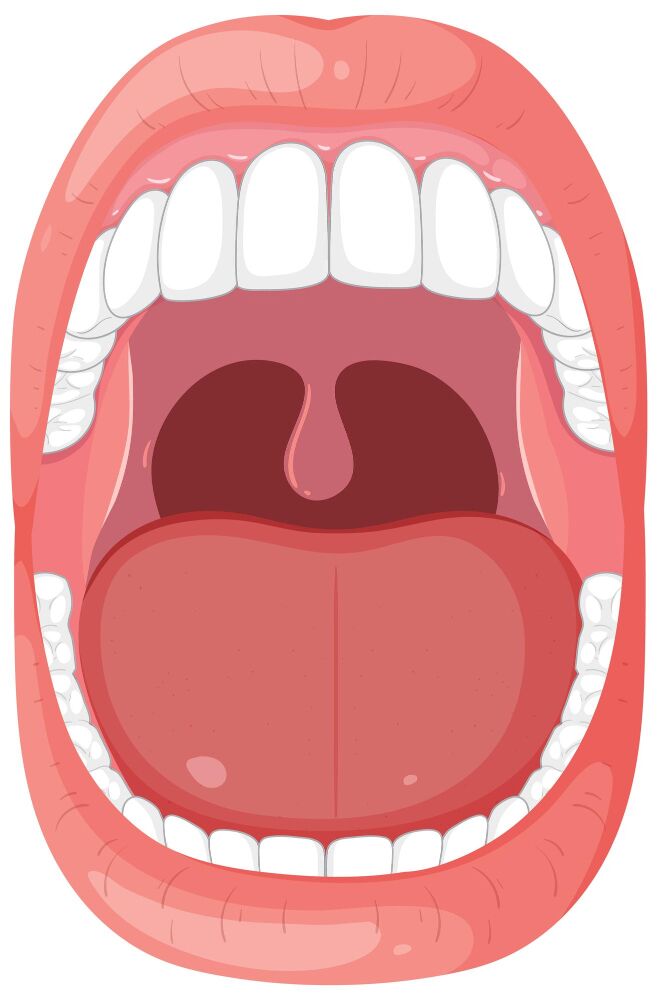
Wisdom tooth pain may present with the following symptoms:
-
Persistent throbbing pain in the back of the mouth
-
Swollen or bleeding gums
-
Pain while chewing or closing the mouth
-
Jaw stiffness or difficulty opening the mouth
-
Bad taste or foul odor
-
Facial swelling
-
Headache or ear pain
If these symptoms worsen or last more than a few days, dental care becomes essential.
Can Wisdom Tooth Pain Be Treated at Home?
Home remedies do not cure the root cause of wisdom tooth pain. However, they can help reduce inflammation, control infection temporarily, and ease discomfort until professional treatment is available.
Below are dentist-recommended home remedies that are commonly used in the U.S. for short-term relief.
Read More: Workout plan for weight loss at the gym
Salt Water Rinse: A Simple and Effective Remedy

Salt water rinses are one of the safest and most effective home remedies for wisdom tooth pain. wisdom tooth pain symptoms.
How It Helps
-
Reduces bacteria
-
Soothes inflamed gums
-
Promotes healing
-
Helps clean food debris
How to Use
-
Mix ½ to 1 tablespoon of salt in a glass of warm water
-
Rinse gently for 30 seconds
-
Repeat 2–4 times daily
This remedy works gradually and should be continued for several days for best results.
Chlorhexidine or Medicated Mouthwash
Dentists often recommend chlorhexidine mouthwash for wisdom tooth inflammation.
Benefits
-
Strong antibacterial action
-
Reduces gum infection
-
Controls swelling and pain
Usage Tip
Use twice daily after meals, but avoid long-term use without dental advice as it may stain teeth.
Read More: Best Intermittent Fasting For Weight Loss
Clove Oil for Wisdom Tooth Pain
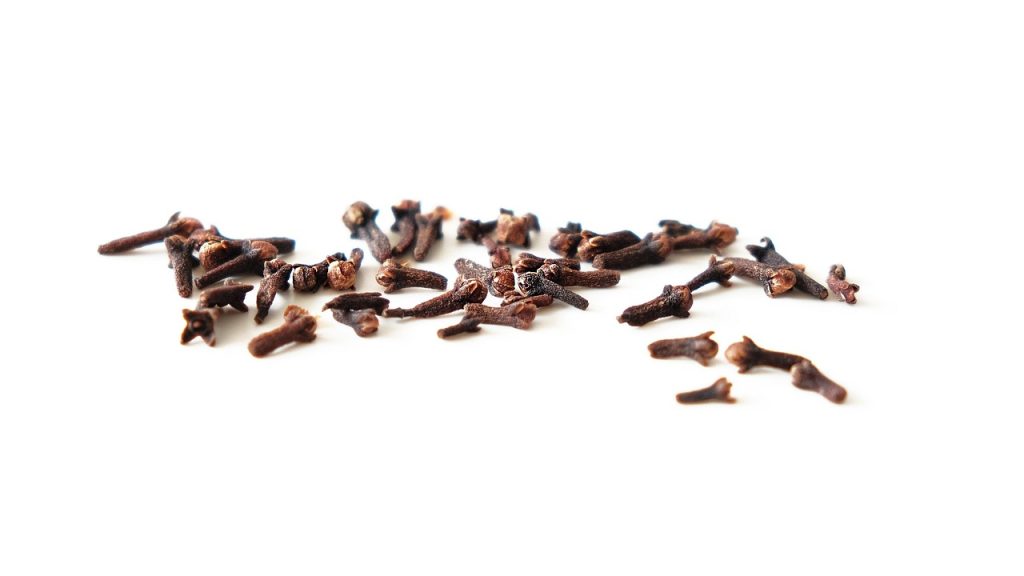
Clove oil contains eugenol, a natural anesthetic and anti-inflammatory compound.
How to Apply
-
Dilute clove oil with a carrier oil
-
Apply gently to the affected area using a cotton swab
-
Use once or twice daily
Clove oil can provide quick pain relief but should be used carefully.
Ginger: Natural Anti-Inflammatory Relief
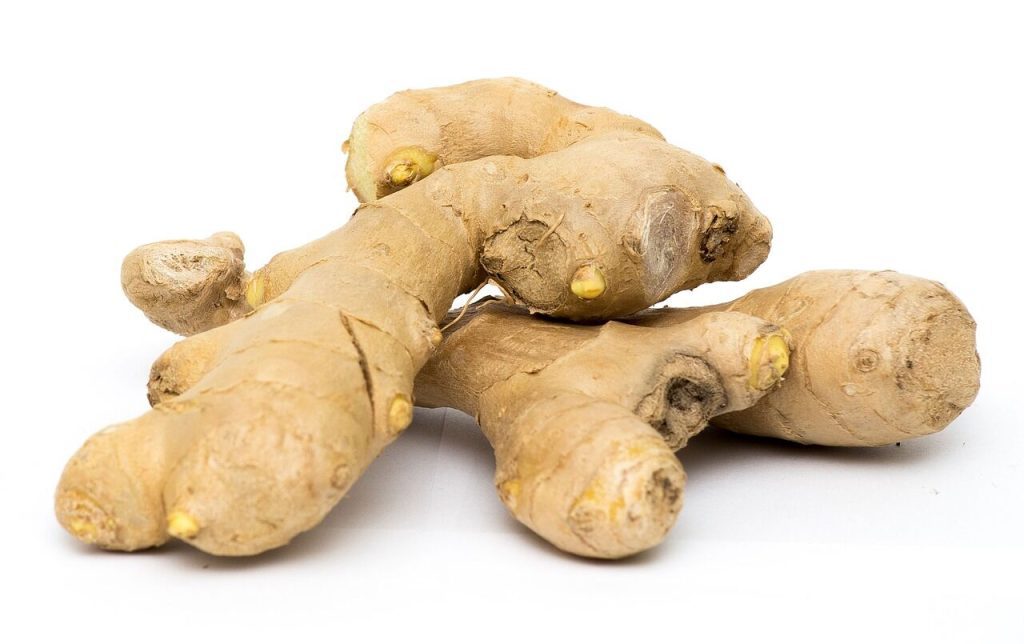
Ginger has powerful anti-inflammatory and antioxidant properties.
Ways to Use
-
Rinse with cooled ginger tea
-
Apply crushed ginger paste to gums
-
Drink ginger infusion daily
It helps reduce swelling and discomfort over time.
Read More: Best Breakfast For Weight Loss Over 50
Garlic: Natural Antibacterial Protection

Garlic contains allicin, which fights bacteria and infection.
How to Use
-
Crush one garlic clove
-
Apply directly to affected gums
-
Leave for a few minutes and rinse
This method may cause a strong taste but is highly effective.
Mint and Menthol for Pain Relief

Menthol has mild numbing properties.
Options
-
Rinse with mint tea
-
Apply cooled mint tea bags to gums
-
Use mint-based mouth rinses
This helps soothe pain naturally.
Ice Pack for Facial Swelling
If wisdom tooth pain is causing facial swelling, an ice pack can help.
How It Works
-
Reduces blood flow
-
Controls inflammation
-
Minimizes swelling
How to Apply
-
Wrap ice in a towel
-
Apply to cheek for 15–20 minutes
-
Repeat every few hours
Never apply ice directly to skin.
Avoid Chewing on the Affected Side
Chewing on the painful side increases irritation and traps food particles.
Why This Matters
-
Prevents further inflammation
-
Allows gums to heal
-
Reduces bacterial buildup
Stick to soft foods and chew on the opposite side.
Over-the-Counter Pain Relievers
If home remedies are not enough, OTC medications can help.
Common Options
-
Ibuprofen
-
Acetaminophen
Always follow dosage instructions and avoid combining medications without medical advice.
Read More: 10 KG Weight Loss Diet Plan
Importance of Oral Hygiene During Wisdom Tooth Pain
Good oral hygiene is essential when dealing with wisdom tooth pain.
Dental Care Tips
-
Brush twice daily
-
Use a soft-bristled toothbrush
-
Clean the wisdom tooth area gently
-
Floss daily
-
Avoid sugary and sticky foods
Neglecting hygiene can worsen infection and delay healing.
When Should You See a Dentist?
Home remedies provide temporary relief only. You should visit a dentist if:
-
Pain lasts more than 3–4 days
-
Swelling increases
-
Fever develops
-
Difficulty opening mouth occurs
-
Pus or discharge is present
A dentist may recommend:
-
Professional cleaning
-
Antibiotics
-
Minor gum surgery
-
Wisdom tooth extraction
Are Wisdom Tooth Extractions Always Necessary?
Best home remedies for wisdom tooth pain Not all wisdom teeth need removal. Dentists evaluate:
-
Tooth position
-
Level of impaction
-
Risk of infection
-
Damage to nearby teeth
Some wisdom teeth can remain without causing issues if properly monitored.
Final Thoughts
Wisdom tooth pain is a common but manageable dental issue. While home remedies like salt water rinses, clove oil, ginger, garlic, and ice packs can help control pain and inflammation, they are not permanent solutions.
Dental evaluation is essential to prevent complications and ensure long-term oral health.
Disclaimer
Home remedies can help relieve wisdom tooth pain temporarily, but professional dental care is the only definitive treatment. Maintaining good oral hygiene and seeking timely dental advice can save you from serious complications.
(FAQs) Wisdom Tooth Pain
1. What causes wisdom tooth pain?
Wisdom tooth pain is usually caused by lack of space in the jaw, leading to impacted or partially erupted teeth. This can result in gum inflammation, infection, food trapping, and pressure on nearby teeth.
2. Is wisdom tooth pain serious?
Wisdom tooth pain can become serious if left untreated. It may lead to infections, abscess formation, damage to adjacent teeth, jaw stiffness, and in rare cases, the spread of infection to surrounding tissues.
3. Can wisdom tooth pain go away on its own?
Mild wisdom tooth pain may reduce temporarily, but the underlying problem often remains. Without proper dental treatment, pain and swelling are likely to return.
4. How long does wisdom tooth pain last?
Wisdom tooth pain can last from a few days to several weeks, depending on the cause. If pain persists for more than 3–4 days, a dental consultation is strongly recommended.
5. What is the fastest home remedy for wisdom tooth pain?
Salt water rinses and cold compresses are among the fastest ways to reduce inflammation and pain temporarily. Over-the-counter pain relievers can also help.
6. Does salt water really help wisdom tooth pain?
Yes, salt water has natural antibacterial properties. It helps reduce bacteria, soothe inflamed gums, and promote healing around the wisdom tooth area.
7. Can clove oil relieve wisdom tooth pain?
Clove oil contains eugenol, a natural anesthetic that can temporarily numb pain and reduce inflammation when applied carefully to the affected area.
8. Is it safe to use ice packs for wisdom tooth swelling?
Yes, using an ice pack on the outside of the cheek for 15–20 minutes can help reduce swelling and pain. Ice should never be applied directly to the skin.
9. What foods should I avoid during wisdom tooth pain?
Avoid hard, sticky, spicy, and sugary foods. Soft foods like yogurt, soups, mashed potatoes, and smoothies are recommended until pain subsides.
10. Should I brush near a painful wisdom tooth?
Yes, gentle brushing is essential. Avoiding the area can worsen infection. Use a soft-bristled toothbrush and clean the area carefully.
11. Can wisdom tooth pain cause headaches or ear pain?
Yes, wisdom tooth pain can radiate to the jaw, ear, head, and neck due to shared nerve pathways.
12. When should I see a dentist for wisdom tooth pain?
You should see a dentist if pain lasts more than a few days, swelling increases, fever develops, or you have difficulty opening your mouth.
13. Do all wisdom teeth need to be removed?
No, not all wisdom teeth require removal. If they erupt properly, remain clean, and cause no problems, they may not need extraction.
14. Is wisdom tooth extraction painful?
With modern anesthesia and techniques, wisdom tooth extraction is generally not painful. Some discomfort after the procedure is normal and manageable.
15. Can home remedies cure wisdom tooth infection?
Home remedies can reduce symptoms but cannot cure an infection. Dental treatment is necessary to fully resolve the problem.
16. Can wisdom tooth pain affect overall health?
Yes, untreated dental infections can spread and impact overall health, including causing fever, fatigue, and systemic infection in severe cases.
17. What over-the-counter medicine is best for wisdom tooth pain?
Ibuprofen and acetaminophen are commonly used. Always follow dosage instructions and consult a doctor if unsure.
18. How can I prevent wisdom tooth problems?
Good oral hygiene, regular dental checkups, early X-rays, and timely treatment can help prevent complications related to wisdom teeth.